
The university as we know it is a European invention. Long before national education systems existed, groups of students and teachers in a few medieval cities organized themselves into communities with their own rules and degrees. Several of those institutions are still teaching today, more than 800 years later.
Founding dates for the oldest universities are often approximate. Many started as informal schools and only later received a charter, so the dates below are the ones the institutions themselves and most historians use.
Bologna, Italy: 1088
The University of Bologna is generally considered the oldest university in continuous operation in the world. It grew out of the study of law, and it was the students rather than the teachers who ran it, hiring professors and setting their pay. The phrase “alma mater” is still part of its official name, and the university’s own account of its history describes 1088 as the year conventionally treated as its founding.
Oxford, England: around 1096
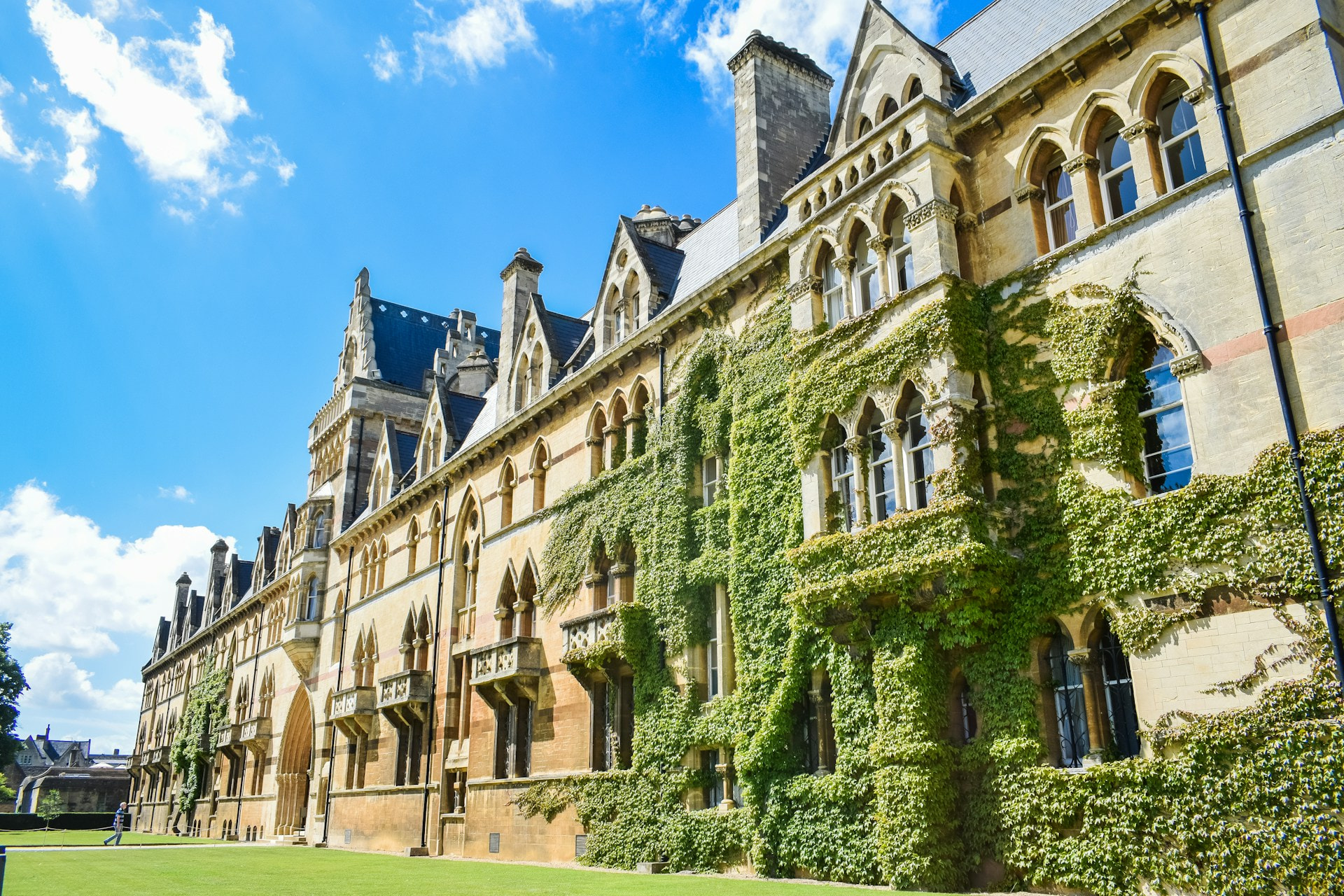
Teaching at Oxford is recorded from 1096, and the university grew quickly after 1167, when King Henry II barred English students from studying in Paris. It is the oldest university in the English-speaking world and today is made up of more than 30 colleges.
Paris, France: around 1150
The University of Paris developed from the cathedral schools around Notre-Dame and became the leading center for theology in medieval Europe. The college founded by Robert de Sorbon in 1257 gave the university its lasting nickname, the Sorbonne. The original university was reorganized in 1970 into several separate institutions.
Cambridge, England: 1209
Cambridge was founded by scholars who left Oxford in 1209 after a dispute with the townspeople. Its oldest college, Peterhouse, dates from 1284. The rivalry between the two universities, from the Boat Race to academic rankings, has lasted ever since.
Salamanca, Spain: 1218
Founded in 1218, Salamanca is the oldest university in Spain still in operation. In the sixteenth century its scholars, known as the School of Salamanca, did influential early work on international law and economics, including ideas about money and prices.
Padua and Naples, Italy: 1222 and 1224
Padua was founded in 1222 by students and teachers who left Bologna. Galileo taught there for 18 years, and in 1678 Elena Cornaro Piscopia graduated from Padua as the first woman known to receive a doctorate. Naples followed in 1224, founded by Emperor Frederick II as a state institution to train administrators, which makes it one of the oldest public universities in the world.
Coimbra, Portugal: 1290
Portugal’s oldest university was founded in Lisbon in 1290 and moved between Lisbon and Coimbra several times before settling in Coimbra for good in 1537. Its baroque Joanina Library is among the most photographed libraries in Europe, and a colony of bats living inside helps protect the books from insects.
Central Europe: Prague, Kraków, Vienna and Heidelberg
Universities spread east in the fourteenth century. Charles University in Prague, founded in 1348, is the oldest in Central Europe. Kraków’s Jagiellonian University followed in 1364, where Nicolaus Copernicus later studied, and the University of Vienna in 1365. Heidelberg, founded in 1386, is the oldest university in present-day Germany.
Montpellier and Siena: the specialists
Some medieval universities made their name in a single field. Montpellier in southern France had a well-known school of medicine by the early thirteenth century, with statutes from 1220, and its Faculty of Medicine is often described as the oldest still in operation. Siena, founded in 1240, became known for law and medicine and still occupies buildings in the historic center of the city.
Medicine is a good example of how these schools differed from today’s. Students learned largely from ancient Greek and Arabic texts, read aloud and explained by a master, and practical anatomy lessons were rare events rather than part of the weekly timetable.
The founding dates at a glance
- Bologna: 1088
- Oxford: around 1096
- Paris: around 1150
- Cambridge: 1209
- Salamanca: 1218
- Padua: 1222
- Naples: 1224
- Coimbra: 1290
- Prague: 1348
- Kraków: 1364
- Vienna: 1365
- Heidelberg: 1386
What these institutions share is a surprising degree of independence for their time. Many began as associations that negotiated directly with popes and kings for the right to teach and award degrees. That idea of a self-governing academic community spread from these cities across Europe and, eventually, the rest of the world.